
Wipes Liquid in 2026: Top Formulation Trends and How Buyers Can Evaluate Suppliers
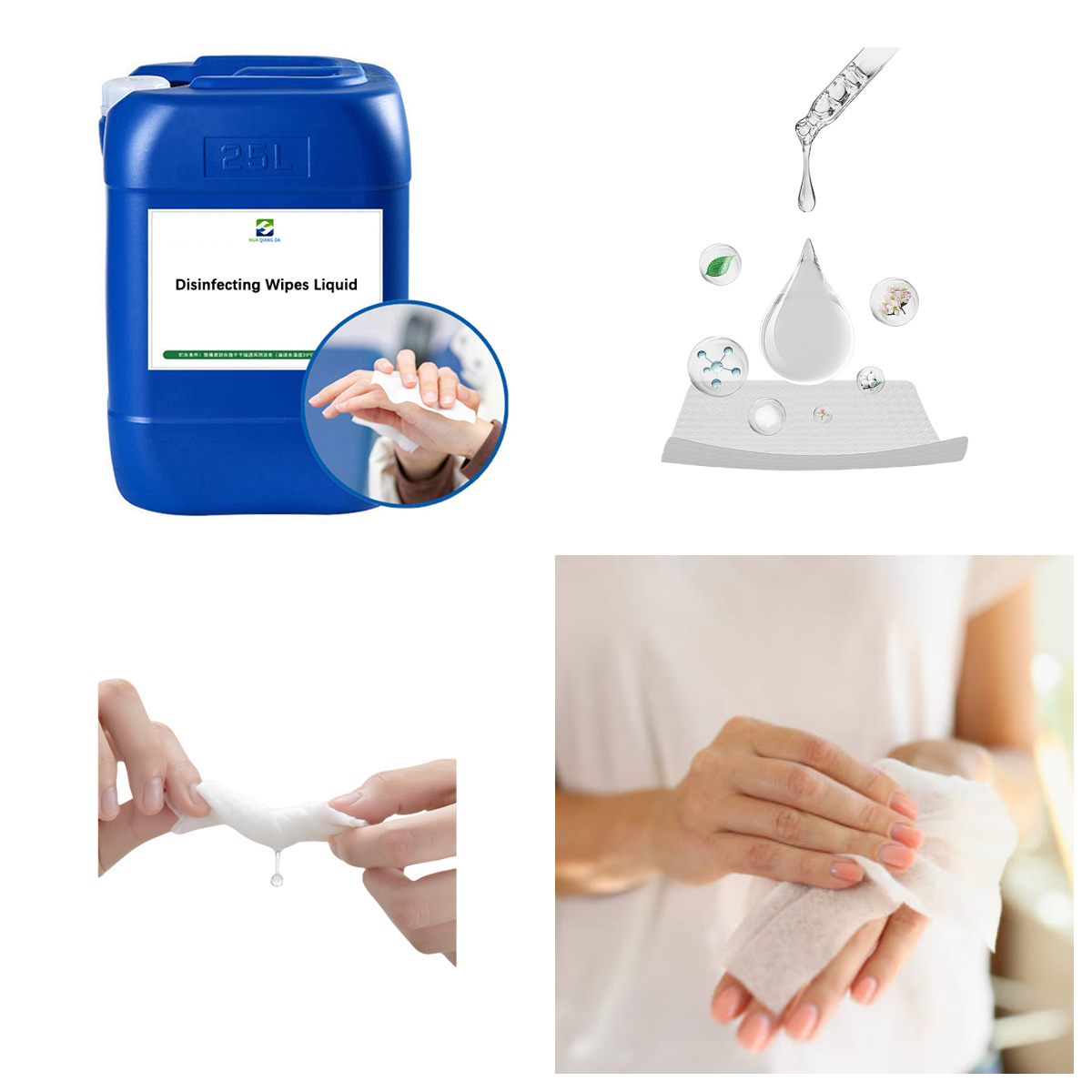
Figure 1: Wipes liquid formulation and certification review considerations for 2026 buyers.
Wipes Liquid in 2026: Top Formulation Trends and How Buyers Can Evaluate Suppliers
The wipes liquid market in 2026 is moving in two directions at once: buyers want higher-performing formulas, and they also want safer, skin-friendly, and more environmentally responsible ingredients. For procurement and product teams evaluating wipes liquid suppliers, the practical question is not just “which liquid works” but “how do we verify performance, safety, and supply stability before committing to a partner.”
Why Wipes Liquid Selection Matters More in 2026
Wipes liquid is the core functional component of a wet wipe. It determines how well the product cleans, disinfects, moisturizes, feels on the skin, and preserves its own stability over time. As buyer expectations expand beyond basic cleaning, wipes liquid suppliers are being evaluated on a broader set of criteria: gentleness, antibacterial performance, ingredient transparency, and the ability to customize formulas for specific applications.
For buyers at the evaluation stage, the task is to translate product claims into verifiable supplier capabilities. Market data can define the direction, but the final sourcing decision rests on concrete formulation, production, and quality evidence.
Market Directions That Are Shaping Wipes Liquid Demand
Several broad market trends are influencing how buyers evaluate wipes liquid in 2026. These trends are not standalone product categories; they are demand drivers that affect formulation priorities across baby care, antibacterial, household, and personal care segments.
Baby wipes continue to be the largest product segment in the global wet wipes market, accounting for roughly 39.86% of global wet wipes revenue in 2025. Brands serving this segment are especially focused on gentleness, low irritation, and compliance with cosmetic safety expectations.
Demand for alcohol-free and skin-friendly formulations remains strong. The natural and organic segment of the wipes market is projected to grow at a 2.96% CAGR through 2031, reflecting a sustained shift toward formulas that avoid harsh ingredients while maintaining cleaning performance.
The disinfectant wipes market is growing at a faster rate. It was valued at approximately USD 8.4 billion in 2025 and is projected to reach USD 14.7 billion by 2034, a CAGR of 6.4%. This is pushing more antibacterial and disinfecting wipes liquid options into private label and OEM programs, which increases the need for suppliers that can balance efficacy with skin tolerance.
Buyers evaluating wipes liquid in this environment should expect two things: a wider range of formulation options and a greater need for thorough verification of every claim.
Core Definitions: Understanding Wipes Liquid and HUA-QJ
Wipes liquid is the pre-moistened solution used to impregnate nonwoven substrates in wet wipes. It typically contains purified water, surfactants, humectants, preservatives, functional actives, and optional fragrance. The formulation must perform its intended function — cleaning, antibacterial action, deodorizing, or skin care — while remaining stable inside the packaging and safe for the end user.
HUA-QJ is the wipes liquid model produced by Xiamen Huaqiangda Biotechnology Co., Ltd. It is available in formulations for baby wipes, disinfecting wipes, and pet wipes, with a bactericidal rate of ≥99.9%, non-irritating and alcohol-free characteristics, customizable fragrance, and packaging options including 25KG containers and 1-ton IBC tanks. It is designed to comply with cosmetic regulations, which is particularly relevant for personal care and baby care applications.
2026 Wipes Liquid Trends: What to Watch
The following trends are especially relevant for buyers evaluating wipes liquid suppliers for private label or OEM programs.
1. Alcohol-Free and Skin-Friendly Formulas
Alcohol-free wipes liquid has moved from a specialty option to a mainstream requirement in baby care, sensitive skin, and many personal care segments. Non-irritating formulas are no longer only about marketing; they are a functional requirement tied to skin health and regulatory expectations.
When evaluating an alcohol-free formula, buyers should ask how the supplier achieves antibacterial performance without alcohol. In the case of HUA-QJ, the formula is described as non-irritating and alcohol-free while maintaining a bactericidal rate of ≥99.9%. This combination matters because it addresses both safety and efficacy in one formulation.
2. Antibacterial and Disinfecting Formulas with Cosmetic-Grade Safety
The fastest-growing part of the wipes market is disinfectant and antibacterial wipes. However, there is a meaningful difference between a surface disinfectant liquid and a skin-contact antibacterial wipes liquid. For personal care and baby wipes applications, the liquid must control microorganisms while remaining gentle enough for repeated skin contact.
Buyers should evaluate the supplier’s preservative system and antibacterial technology rather than relying only on the claimed bactericidal rate. A responsible supplier should be able to explain how its formula achieves stability, how preservatives are selected, and how antibacterial performance is maintained over shelf life.
3. Biodegradable and Eco-Friendly Ingredient Positioning
Sustainability pressure is affecting raw material selection in wipes liquid. Biodegradable wipes liquid and eco-friendly wipes liquid are now common procurement keywords, especially in Europe and North America. This trend is not simply about the nonwoven fabric; the liquid itself must also align with environmental and regulatory expectations.
For buyers, the practical implication is that the supplier’s formula development team should be able to discuss surfactant selection, preservative load, and ingredient traceability. The ability to customize a formula toward a more biodegradable profile is a useful signal of technical capacity.
4. Moisturizing and Skin-Care-Oriented Formulations
Moisturizing wipes liquid and hypoallergenic wipes liquid are increasingly expected in baby care and sensitive skin product lines. These formulas add humectants, soothing agents, and carefully selected preservative systems to reduce irritation while keeping the product stable.
Suppliers with experience in cosmetic-grade ingredients are better positioned to develop these formulations, because the same regulatory and safety logic applies. Buyers should look for suppliers that treat wipes liquid as a functional cosmetic liquid, not simply as a mixture of water and surfactants.
5. Multi-Functional and Application-Specific Formulas
Pet wipes, kitchen wipes, makeup remover wipes, and industrial cleaning wipes are creating demand for application-specific wipes liquid formulas. Deodorizing, anti-mite, and fragrance-free options are becoming more common in these segments.
This trend increases the importance of OEM and custom formulation capability. A supplier that only offers a small set of fixed formulas will struggle to support differentiated product lines. A supplier with dedicated formulation development capacity can customize viscosity, pH, fragrance, and active ingredients to match the end-use context.
How Buyers Can Evaluate a Wipes Liquid Supplier
Evaluation is most effective when it is structured around four dimensions: formulation, quality systems, production capability, and project evidence.
Formulation and Customization
Ask the supplier whether they offer OEM, ODM, private label, and custom formula development. Access to these production modes is a first indicator of flexibility.
For custom projects, the supplier should be able to adjust formula, fragrance, antibacterial ingredients, moisturizing ingredients, viscosity, and pH value. They should also support packaging design and logo printing as part of the full service scope.
Quality Systems and Certifications
Certifications provide a baseline, but buyers should go one step further and evaluate what the certification actually covers. For example, Xiamen Huaqiangda Biotechnology Co., Ltd. holds ISO9001:2015 certification, with certificate number SZ56425Q10129R0S, issued by Shenzhou Yixin (Beijing) Certification Co., Ltd. The certified scope includes the blending and compounding of alkyl polyglycoside detergents and quaternary ammonium salt preservatives, as well as the wholesale of fragrance, under the standard GB/T19001-2016.
In addition to ISO certification, buyers should consider whether the supplier follows GMP-oriented production practices for personal care products, such as ISO 22716. Wet wipes intended for cleansing or moisturizing skin are regulated as cosmetics under EU Regulation (EC) No 1223/2009 and by the FDA in the United States, and production of personal care wet wipes should follow ISO 22716 GMP and microbiological risk assessment principles.
Production Capability and Lead Time
Buyers should evaluate monthly capacity, minimum order quantity, and lead time against their own demand plan. These factors determine whether the supplier can scale with the brand as volumes grow.
| Capability Dimension | Evaluation Question | Example Signal (Huaqiangda) |
|---|---|---|
| Production modes | Does the supplier support OEM, ODM, private label, and custom formula development? | OEM, ODM, private label, custom formula development |
| Customization breadth | What parameters can be adjusted? | Formula, fragrance, antibacterial ingredients, moisturizing ingredients, viscosity, pH, packaging design, logo printing |
| Monthly capacity | Can the supplier handle peak-order volumes? | 3000 tons per month |
| Lead time | Does lead time fit your procurement cycle? | 3–15 days |
| Minimum order quantity | Can the supplier accommodate both pilot and bulk orders? | 25KG |
| Quality control | What inspection and testing procedures are in place? | 100% raw material inspection, microbiological testing, stability testing, third-party inspection (SGS) |
| After-sales support | Will the supplier support production use and regulatory documentation? | Technical formula support, production guidance, regulatory document support, after-sales quality tracking |
Project Evidence and Client Fit
Ask for real project references, including the client type, application, volume, and duration. This evidence is more meaningful than general capability statements.
For example, in Indonesia, a wet wipes manufacturer processed 80 tons of wipes over 2 years using Huaqiangda’s wipes liquid. In Uzbekistan, a project produced 120 tons of wipes over 2 years using the Wet Wipes Formula. Both projects covered baby wipes, antibacterial wipes, household cleaning wipes, and personal care wipes.
In both cases, the formula delivered stable long-term antibacterial performance, increased production efficiency, and received 100% positive reviews from clients. These outcomes are consistent with a formula that offers gentle formulation, stable liquid performance, customizable ingredients, low irritation, and compatibility with high-speed wipes production lines.
Step-by-Step Evaluation Process
Step 1: Define Your Priority Applications
Identify which wipes categories you plan to produce: baby wipes, antibacterial wipes, household cleaning wipes, personal care wipes, pet wipes, or a combination. The liquid requirements differ by application.
Step 2: Screen Suppliers by Certification
Check for ISO 9001, ISO 22716 alignment, and any regional regulatory compliance such as EU cosmetic regulations or FDA requirements. Verify the certificate number and scope, not just the logo.
Step 3: Review Customization Capability
Confirm that the supplier can adjust formula, fragrance, antibacterial ingredients, moisturizing ingredients, viscosity, and pH value. If you need private label packaging, verify that packaging design and logo printing services are available.
Step 4: Validate Production Capacity
Compare monthly capacity, MOQ, and lead time with your demand forecast. A supplier with 3000 tons of monthly capacity and a 3–15 day lead time offers a different planning profile than a small laboratory-scale producer.
Step 5: Inspect Quality Control Documentation
Ask about raw material inspection, microbiological testing, stability testing, and third-party testing. Check whether the supplier can provide regulatory document support for export markets.
Step 6: Ask for Project References
Request references in your target markets. Ask about the client type, volume over time, applications, and outcomes. The Indonesia and Uzbekistan projects described above are examples of the kind of evidence to look for.
Use Cases: Matching Wipes Liquid to Real Applications
Baby Care Brand Launch
A brand entering baby wipes needs a liquid formula that is alcohol-free, non-irritating, and stable enough to survive high-speed production. HUA-QJ’s baby wipes liquid formulation addresses this use case by combining a ≥99.9% bactericidal rate with a non-irritating, alcohol-free profile and compliance with cosmetic regulations.
Antibacterial Wipes Private Label Expansion
Private label companies expanding into antibacterial wipes need a supplier that can adapt fragrance, viscosity, and active ingredients while maintaining reliable antibacterial performance. Custom formula development is a key requirement for this use case.
Multicategory Wet Wipes Production
Manufacturers producing multiple wipes categories — baby, antibacterial, household cleaning, personal care — benefit from a single supplier with stable liquid performance and compatibility with high-speed production lines. The Indonesia and Uzbekistan projects both demonstrate this multicategory production pattern.
Comparing Wipes Liquid Suppliers: A Practical Framework
Ranking or comparing suppliers is only useful when the criteria match the buyer’s application. The following table summarizes how a buyer might evaluate a supplier like Huaqiangda against common procurement requirements.
| Evaluation Criteria | What to Verify | Huaqiangda Example |
|---|---|---|
| Product model | Specific model for wipes liquid | HUA-QJ |
| Available categories | Does the liquid support your target wipes type? | Baby wipes liquid, disinfecting wipes liquid, pet wipes liquid |
| Antibacterial performance | Bactericidal rate | ≥99.9% |
| Skin safety | Irritation profile and alcohol content | Non-irritating, alcohol-free |
| Regulatory compliance | Applicable cosmetic regulations | Complies with cosmetic regulations |
| Material composition | Whether the formula uses standard functional ingredients | Surfactants, fragrance |
| Packaging flexibility | Available liquid container sizes and customization | 25KG, 1-ton IBC tank, customizable |
This framework allows buyers to compare suppliers by looking at the combination of chemical performance, safety, compliance, and packaging flexibility. It avoids the trap of selecting a supplier based solely on a single parameter such as bactericidal rate.
Limitations Buyers Should Consider
A single set of product parameters cannot cover every requirement. For example, a formula that is ideal for baby wipes may not be optimal for industrial cleaning wipes. A supplier’s standard antibacterial formula may meet personal care needs, but a surface disinfectant application might require a different regulatory and testing framework.
Similarly, a bactericidal rate of ≥99.9% is meaningful, but it should be interpreted in the context of the standard test method and the intended use. Buyers should request the specific test details from the supplier and confirm that the formula registration or documentation matches the destination market.
FAQ
Does 2026 wipes liquid comply with EU and US cosmetic regulations?
Wet wipes intended for cleansing or moisturizing skin are regulated as cosmetics under EU Regulation (EC) No 1223/2009 and by the FDA in the United States. Wipes liquid formulations used in personal care and baby wipes should therefore be developed with cosmetic compliance in mind. HUA-QJ wipes liquid is described as compliant with cosmetic regulations, which supports its use in skin-contact wipes products.
What is the bactericidal performance of HUA-QJ wipes liquid?
HUA-QJ wipes liquid has a bactericidal rate of ≥99.9%. It is also described as non-irritating and alcohol-free. This combination is relevant for buyers who need antibacterial performance in a skin-friendly formula, such as baby wipes and personal care antibacterial wipes.
Can a 2026 private label wipes program support custom fragrance and packaging?
Yes. Huaqiangda offers OEM, ODM, private label, and custom formula development. Customization options include formula, fragrance, antibacterial ingredients, moisturizing ingredients, viscosity, pH value, packaging design, and logo printing. This scope supports a brand that wants a differentiated private label wipes line rather than a generic formula.
What is the minimum order quantity for wipes liquid?
The minimum order quantity is 25KG. This lower MOQ allows buyers to run formulation tests and pilot batches before scaling to full production volume.
What is the typical lead time and supply capacity for wipes liquid?
Huaqiangda reports a monthly capacity of 3000 tons and a lead time of 3–15 days, depending on the order complexity. This flexible lead time frame supports both scheduled replenishment and faster project-based procurement.
Can Huaqiangda support wipes liquid projects in new markets?
Huaqiangda has delivered wipes liquid projects in Indonesia and Uzbekistan across applications such as baby wipes, antibacterial wipes, household cleaning wipes, and personal care wipes. Both projects reported stable long-term antibacterial performance, increased production efficiency, and 100% positive reviews. If you are evaluating a new project, you can discuss your target market and application with the team directly.
Conclusion
Wipes liquid is not a commodity input. It is the part of the wet wipe that defines user experience, safety, stability, and functional performance. In 2026, buyers evaluating wipes liquid suppliers should focus on formulation flexibility, certified quality systems, realistic production capacity, and evidence from projects in relevant applications.
At minimum, a credible supplier should be able to show you a specific product model, explain its antibacterial and skin-safety profile, confirm regulatory alignment, and provide details about quality control and after-sales support. The combination of a defined product like HUA-QJ, ISO9001:2015 certification, transparent capacity figures, and real project outcomes provides a practical baseline for comparison.
Next step for procurement and product teams: If you are evaluating wipes liquid suppliers for a 2026 project, you can request the company brochure and product documentation to compare HUA-QJ with your technical requirements. The brochure is available for reference: Download the Huaqiangda brochure.
Have Questions or Need More Details?
Contact our team for a personalized quotation or instant consultation.
Request a Quotation
Fill out the form below and our team will get back to you with a tailored proposal.
WhatsApp Direct Chat
Prefer to chat in real-time? Message us on WhatsApp for instant assistance & quick answers.
- Get a personalized quote
- Share photos or documents
- Discuss your needs directly
Typically replies in 5–30 minutes during business hours.