
What Is Wipes Liquid? The Science Behind Everyday Cleaning Solutions
What Is Wipes Liquid? The Science Behind Everyday Cleaning Solutions
Wipes liquid is the formulated liquid that a manufacturer applies to a dry nonwoven substrate to produce a finished wet wipe. It is bought in bulk by wipe producers rather than in packs by consumers, and it decides most of what a user actually experiences: how well the wipe cleans, how it feels on skin, how stable it stays on the shelf, and how smoothly it runs on a converting line.
The term is easy to misread. Most search results for "wipes liquid" describe consumer wet wipes or ready-to-use sprays, which hides the real decision in front of a buyer: choosing a liquid chemistry that matches a specific surface, a specific user and a specific production process. This article separates the liquid from the wipe, breaks down the formulation science, and shows how to match a liquid to the job it has to do.
Xiamen Huaqiangda Biotechnology Co., Ltd. is a manufacturer based in Xiamen, Fujian, China. Founded in 2018, the company develops and produces wipes liquid formulations, antibacterial solutions, cosmetic functional liquids, deodorizing and mite-removal formulations and fragrance systems for personal care and household applications, and it supplies OEM/ODM formulation support to wipe producers. Its process facts are used below alongside published market and regulatory data.
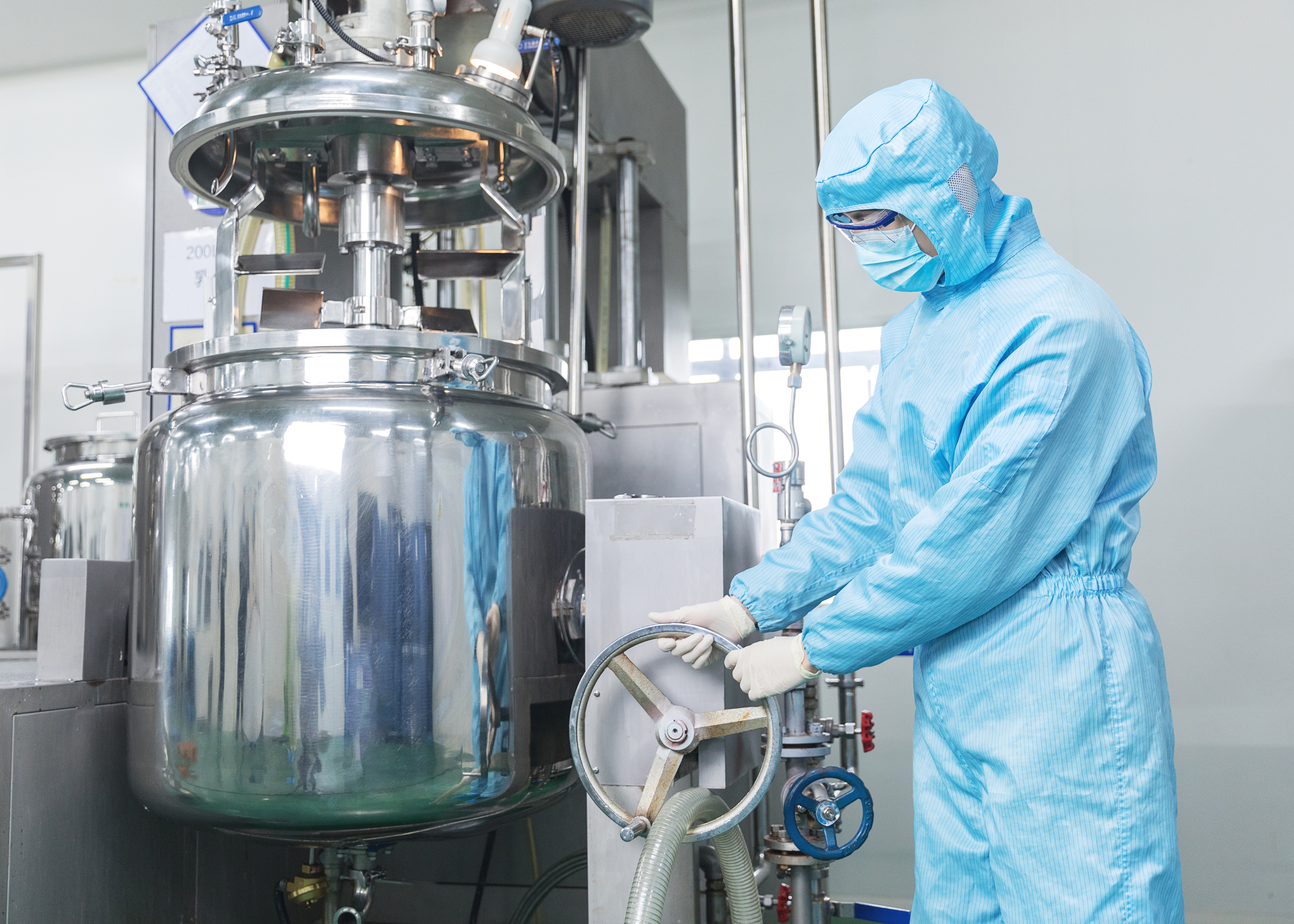
Wipes liquid is produced as a bulk chemical input under clean-workshop conditions and delivered to wipe manufacturers, not to retail shelves.
Why "Wipes Liquid" Is So Easy to Misunderstand
Pre-moistened wipes are a finished consumer product; wipes liquid is the bulk input that makes them work. A buyer comparing two packs compares pack count, substrate weight and price. A buyer comparing two liquids compares chemistry — and chemistry is what shows up months later as complaints, returns or unplanned line stoppages.
The confusion is structural rather than careless. The substrate is visible, measurable and easy to sample, while the liquid disappears into the pack the moment production ends. Because of that, the liquid is often specified last, after the nonwoven and the packaging have already been locked. When a formulation is forced into whatever pH, preservative and surfactant package fits the remaining budget, the failure modes are predictable: microbial contamination, formula instability, skin irritation and preservative failure.
For skin-contact products, the liquid also carries most of the compliance weight. Wipes intended for cleansing or moisturizing skin are regulated as cosmetics under EU Regulation (EC) No 1223/2009 and by the FDA in the United States, and the production of personal care wet wipes is expected to follow ISO 22716 Good Manufacturing Practices with a documented assessment of microbiological risk. A liquid supplier that cannot support that framework is a compliance exposure, not a cost saving.
Industry Background: Where Wipes Liquid Demand Is Moving
Demand for wipes liquid is a derivative of demand for wipes, and the published figures point to steady growth with a shifting mix. The global wet wipes market was valued at USD 19.11 million in 2025 and is estimated to reach USD 22.85 million by 2031, a CAGR of 3.17%, according to Mordor Intelligence. Baby wipes dominated that market with approximately 39.86% of global wet wipes revenue in 2025, the same source reports.
Disinfecting applications are expanding faster than the category average. Dataintelo values the global disinfectant wipes market at USD 8.4 billion in 2025 and projects USD 14.7 billion by 2034, a CAGR of 6.4%. Within that market, alcohol-based formulations held the largest product type share at 38.5% in 2025, while alcohol-free and skin-friendly positioning is gaining ground: Mordor Intelligence projects natural and organic variants in the wipes market to expand at a 2.96% CAGR through 2031, driven by demand for alcohol-free and skin-friendly formulations. Regionally, Grand View Research reports that the surface disinfectant wipes industry in North America held a 30.08% share in 2024.
Note on market data: published sizes for wipes vary widely with scope. Fortune Business Insights, for example, sizes the wipes market at USD 5.16 billion, while Grand View Research published a historical estimate of USD 27.07 billion for 2022. Definitions of what counts as a wipe matter more than the headline figure when a buyer builds a business case.
Two implications follow for anyone sourcing liquid. First, skin-contact and disinfecting liquids are the two volume anchors of the category, and they pull formulation requirements in different directions — mildness and pH control on one side, antimicrobial stability and material compatibility on the other. Second, the fastest-moving formulation trends, including alcohol-free and skin-friendly positioning, are procurement decisions rather than marketing slogans, because they change the preservative system, the surfactant package and the cost structure at the same time.
What Is Inside a Wipes Liquid? The Formulation Breakdown
A wipes liquid is a water-based system built from five functional blocks: a purified base, a surfactant system, a preservative system, a pH framework, and application-specific actives. Each block has to work with the others — and with the nonwoven that carries it — before the finished wipe behaves as intended.
Water, filtration and the base
Most of any wipes liquid is water, which makes water quality a production control rather than a purchasing detail. Multi-stage filtration and clean-workshop production are used to keep the base free of contaminants before actives are introduced. Huaqiangda operates a 100,000-level clean production workshop supported by standardized microbiology and fine chemical laboratories, and applies multi-stage filtration as a defined process step.
Surfactants: the cleaning engine
Surfactants reduce surface tension so that water can wet a surface and lift oils and soil. The surfactant system sets the balance between cleaning power, foaming, residue and skin mildness. Mild non-ionic surfactants are commonly selected for skin-contact liquids because they clean effectively with lower irritation potential, while higher-detergency systems are used where grease and soil removal matters more than skin comfort. Because the liquid is carried directly to skin or to a surface by the substrate, a surfactant package that behaves well in a bottle but leaves a tacky film on the wipe will still fail in use.
Preservative systems and microbiological control
Nothing in a water-based liquid is more consequential than the preservative system. Microbial contamination, formula instability, skin irritation and preservative failure are the four core risks in wipes liquid manufacture. A stable preservative system must remain effective at the pH of the formulation, stay compatible with the surfactant and fragrance package, and hold through the shelf life of a wet pack — including the liquid that migrates into, and sits inside, the nonwoven. Huaqiangda's controls for this include 100% raw material inspection, batch sample retention, clean workshop production, real-time quality monitoring and third-party laboratory testing.
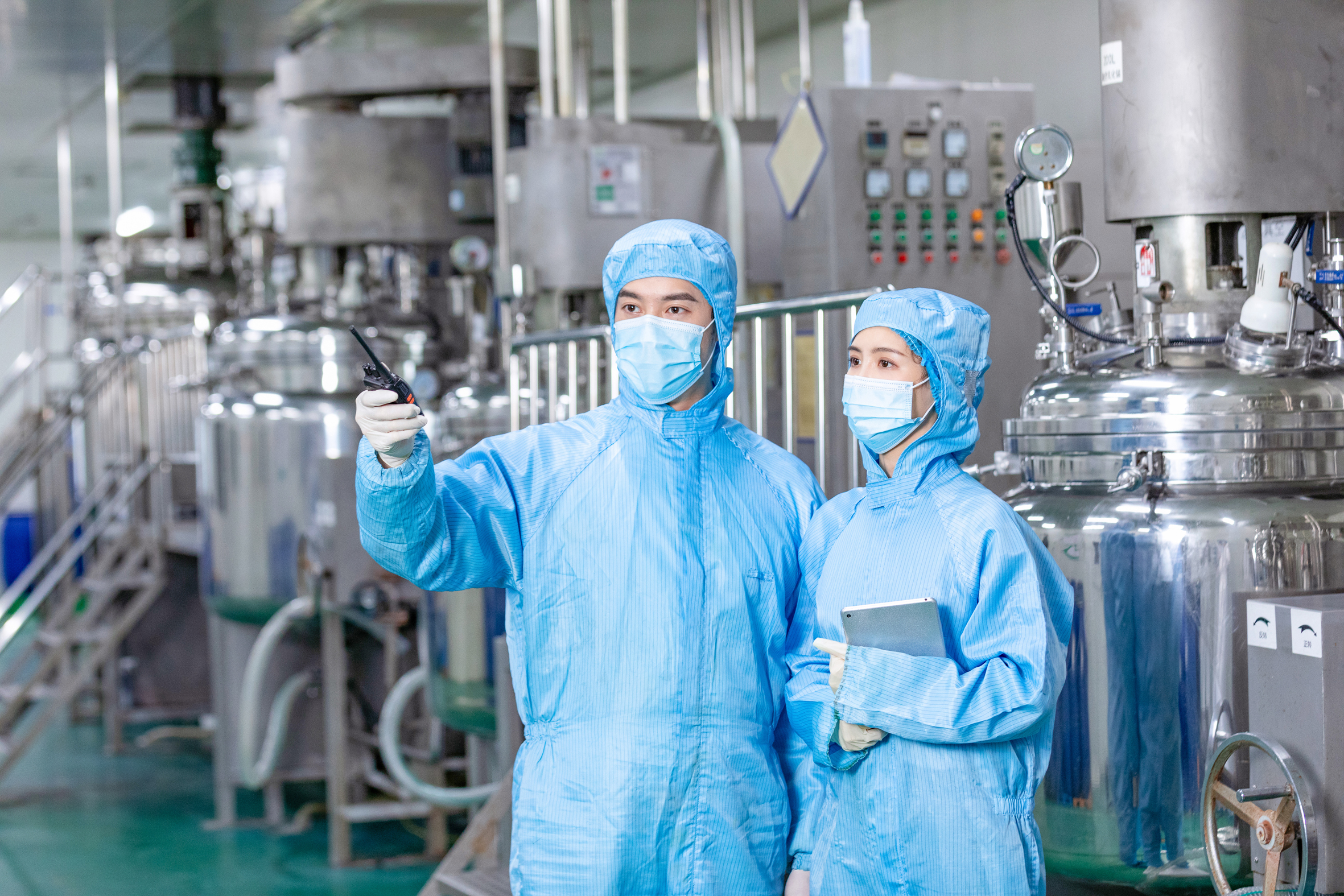
Microbiological testing, pH verification and batch retention are the controls that keep a formulation stable from pilot batch to volume production.
pH balance and skin compatibility
pH balance control is a formulation requirement, not a marketing claim. In skin-contact liquids, pH has to keep the preservative effective while limiting irritation potential; in surface liquids, it affects cleaning performance and compatibility with the materials being wiped. Huaqiangda lists pH balance control alongside microbiological testing as a primary risk-control method.
Humectants and conditioning agents
Moisturizing performance is what separates a premium liquid from a generic one in baby and personal care applications. Humectants and conditioning agents — aloe vera extract and comparable botanical ingredients among them — help the wipe stay pleasantly moist after it leaves the pack and reduce the dry after-feel that cost-driven formulations often leave behind. In the manufacturer's comparison data, moisture retention improved by 30% relative to a traditional wet wipes liquid formula and a low-cost generic solution.
Fragrance and functional actives
Fragrance systems and functional actives define what the wipe is for. Huaqiangda develops fragrance systems, antibacterial solutions, deodorizing and mite-removal formulations and cosmetic functional liquids as separate product lines, which mirrors how buyers specify in practice: a base chemistry plus an active package chosen for the end application.
Functional Categories: Matching Chemistry to the Job
The functional category of a wipes liquid is defined by what the finished wipe has to accomplish, not by the substrate it sits on. The main families behave differently enough that a substitution between them usually shows up in the field.
- Cleansing liquids for kitchen, household and industrial cleaning wipes are surfactant-forward. Residue, streak-free drying and compatibility with hard surfaces matter more than skin mildness.
- Disinfecting and antibacterial liquids rely on antimicrobial actives. Quaternary ammonium compounds such as benzalkonium chloride and alcohol-based systems are widely used; alcohol-based formulations held the largest product type share of the disinfectant wipes market at 38.5% in 2025 (Dataintelo), while alcohol-free and skin-friendly positioning continues to expand — a signal that buyers are balancing efficacy against skin and surface tolerance.
- Skin-care and baby liquids prioritize mild surfactants, controlled pH, humectants and low irritation potential, because the contact scenario is infant skin or daily facial use.
- Deodorizing and anti-mite liquids carry actives aimed at odor and dust-mite control rather than at lifting soil.
- Fragrance-forward liquids use a fragrance system as the primary functional layer, usually over a light cleansing base.
- Specialty film-forming liquids, such as anti-fog and anti-condensation formulations for optical surfaces, work differently again: they leave a transparent, low-residue film instead of dissolving soil, and have to be validated for clarity and optical compatibility rather than for detergency.
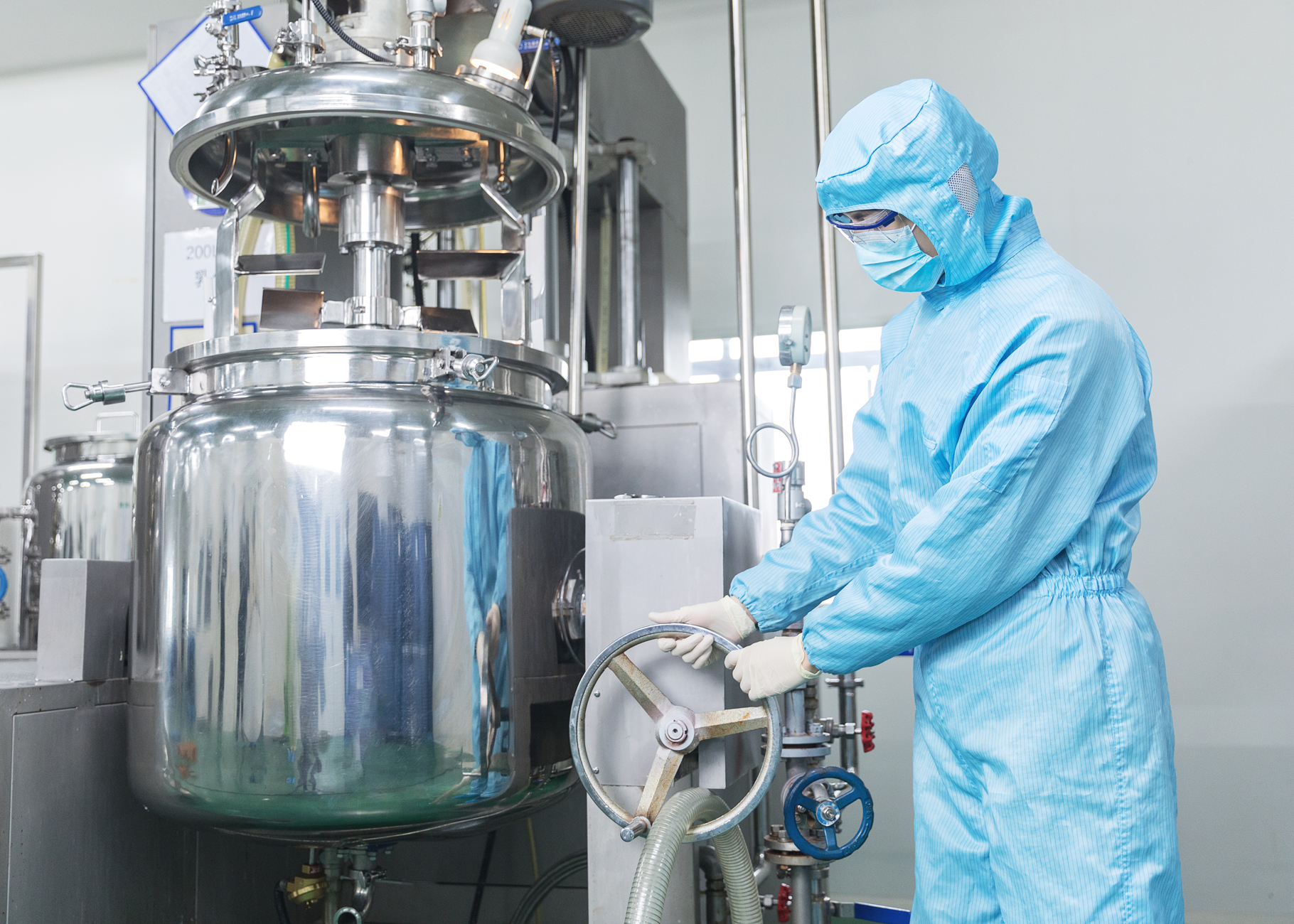
Different functional families — skin care, antibacterial, household — are blended under the same production discipline but with different active packages.
Step-by-Step: How to Match a Wipes Liquid to Its Intended Surface or User
Formulation matching is a sequence, and skipping a step is what produces a liquid that tests well in a sample jar and fails in a pack. A practical order of work looks like this.
- Define the contact scenario first. Infant skin, adult facial skin, food-contact surfaces, optical surfaces, pet coats and industrial equipment impose different constraints on surfactants, actives and pH. The contact scenario, not the product name, determines the starting chemistry.
- Define the substrate and the line. Nonwoven composition, dosing method and line speed all interact with the liquid. Compatibility with high-speed production lines is a measurable differentiator: in the manufacturer's comparison data, a modern multi-function liquid reduced production downtime by 25% and improved automated line production efficiency by 20% against traditional and low-cost generic formulas.
- Select the functional system. Decide whether the liquid is primarily cleansing, disinfecting, deodorizing, anti-mite, fragrance-led or film-forming, and pick the active package accordingly.
- Set the preservative and pH framework. Confirm that the preservative system stays effective at the chosen pH and remains compatible with the fragrance and surfactant package, then verify microbiological performance with testing rather than assumption.
- Validate line compatibility. Run the candidate liquid at production speed and watch residue build-up, nozzle blockage and continuous-run stability, because these determine maintenance frequency and real output.
- Lock the specification and the evidence file. A production-ready liquid should come with defined raw material inspection, retained batch samples, third-party laboratory testing and documentation suitable for the target market's regulatory framework.
Use Cases: The Applications a Wipes Liquid Has to Serve
Huaqiangda provides OEM/ODM formulation support across the main wet wipes product families, and each one asks a different question of the liquid. Baby wipes place mildness, pH control and moisturizing performance first, in a segment that represented approximately 39.86% of global wet wipes revenue in 2025 (Mordor Intelligence). Antibacterial wipes depend on antimicrobial stability and material compatibility. Makeup remover wipes need a surfactant system that lifts cosmetic films without leaving residue on skin. Kitchen wipes balance grease removal against food-contact safety. Pet wipes combine deodorizing and mild cleansing requirements. Household cleaning wipes prioritize cleaning performance and surface compatibility, and industrial cleaning wipes extend the same logic to heavier soil and equipment surfaces. Flushable wipes add substrate-integration constraints that the liquid has to respect.
The company's production facts are relevant to how those use cases are served: a 2,000 m² facility, 50 employees, an annual output of 2,000 tons, a five-engineer R&D team, and an export ratio of 60% with main markets in Central Asia, Southeast Asia and South America. The customer-facing materials summarize the applications as baby wipes production, antibacterial wipes manufacturing, household cleaning wipes and personal care wipes.
Formulation development, quality control and bulk production take place at the same Xiamen facility.
Comparison Table: Modern Multi-Function Liquid vs. Traditional and Low-Cost Generic Formulas
The comparison below reflects the manufacturer's own comparison data for its multi-function wipes liquid against a traditional wet wipes liquid formula and a low-cost generic wipes solution. It is presented as documented performance positioning rather than as an independently audited benchmark.
| Evaluation dimension | Modern multi-function wipes liquid | Traditional formula / low-cost generic solution |
|---|---|---|
| Moisturizing performance | Moisture retention improved by 30% | Reference baseline |
| Ingredient profile | Gentler ingredients | Reference baseline |
| Antibacterial stability | Antibacterial effectiveness ≥99.9% | Lower stability |
| High-speed line compatibility | Improved compatibility with high-speed production lines | Reference baseline |
| Machine residue and nozzle blockage | Lower machine residue, reduced nozzle blockage | Higher residue, more frequent blockage |
| Production downtime | Reduced by 25% | Reference baseline |
| Automated line efficiency | 20% higher production efficiency | Reference baseline |
| Raw material cost | Approximately 10% higher | Lower |
| Customer complaint rate | Reduced by 40% | Reference baseline |
| Best-fit applications | Baby wipes, antibacterial wipes, personal care wipes, household cleaning wipes and premium private label production | Price-driven, general-purpose production |
Figures above are the manufacturer's documented comparison values. Buyers should validate them against their own line trials and finished-product testing before committing to volume.
A second way to compare liquids is by functional category rather than by cost tier.
| Liquid family | Primary function | Typical end product |
|---|---|---|
| Cleansing liquid | Soil and grease removal | Kitchen wipes, household cleaning wipes |
| Antibacterial / disinfecting liquid | Antimicrobial action | Antibacterial wipes, surface disinfection wipes |
| Skin-care liquid | Gentle cleansing with moisturizing | Baby wipes, personal care wipes, makeup remover wipes |
| Deodorizing and anti-mite liquid | Odor and mite control | Pet wipes, household specialty wipes |
| Fragrance system liquid | Scent delivery | Fragrance wipes, premium private label lines |
| Film-forming specialty liquid | Anti-fog / anti-condensation film | Optical and lens care wipes |
Frequently Asked Questions
Are wipes liquids regulated as cosmetics?
It depends on what the finished wipe is for. Wet wipes intended for cleansing or moisturizing skin are regulated as cosmetics under EU Regulation (EC) No 1223/2009 and by the FDA in the United States, and personal care wet wipe production is expected to follow ISO 22716 Good Manufacturing Practices with a microbiological risk assessment. Liquids intended for hard-surface disinfection fall under different rules. Buyers should confirm which framework applies to their product before formulation work starts, because it changes the documentation the liquid supplier has to provide.
Can a wipes liquid be customized for a specific application?
Yes. Xiamen Huaqiangda Biotechnology Co., Ltd. provides OEM/ODM formulation support for baby wipes, antibacterial wipes, makeup remover wipes, kitchen wipes, pet wipes, flushable wipes and industrial cleaning wipes. Its technical capability covers preservative systems, gentle antibacterial technologies, skin-friendly wet wipes formulations and multifunctional liquid solutions, supported by a five-engineer R&D team and microbiology and fine chemical laboratories in Xiamen, Fujian.
Is a higher-cost formulation worth the extra raw material spend?
The manufacturer's comparison data puts raw material cost at approximately 10% higher than traditional and low-cost generic solutions, alongside 30% better moisture retention, antibacterial effectiveness of ≥99.9%, 25% less production downtime, 20% higher production efficiency and a 40% lower customer complaint rate. Whether that pays back depends on complaint handling cost, downtime cost and brand value in the specific channel. The practical point is that raw material price is one line of the calculation, not the whole calculation.
How can a buyer test a liquid before committing to volume?
Evaluation normally starts with a formulation sample matched to the intended application and substrate, followed by a trial at production line speed to check residue, nozzle blockage and moisture retention in the finished pack. Huaqiangda supports this with batch sample retention, third-party laboratory testing and 100% raw material inspection. Buyers can request formulation samples, a quotation or the product catalog using the contact details at the end of this article.
What capacity and continuity evidence should be verified?
Verify the numbers that determine repeatability: an annual output of 2,000 tons, a 2,000 m² facility, 50 employees, a 100,000-level clean production workshop, retained batch samples and an export ratio of 60% across Central Asia, Southeast Asia and South America. Capacity alone is not the answer; the relevant question is whether the same specification can be reproduced batch after batch and documented for the target market.
Conclusion: Start With the Liquid, Not the Label
Wipes liquid sits at the point where chemistry meets manufacturing, and it is the reason two wipes that look identical on a shelf can behave completely differently in use. A liquid that is matched to its contact scenario, its substrate and its production line — with a stable preservative system, controlled pH and application-appropriate actives — protects the product, the user and the brand. A liquid selected only on price transfers risk downstream, where it is far more expensive to fix.
The market context supports that discipline: baby wipes still hold the largest single share of wet wipes revenue at approximately 39.86% in 2025 (Mordor Intelligence), and disinfectant wipes are projected to grow at a 6.4% CAGR to USD 14.7 billion by 2034 (Dataintelo). Growth in both segments raises the cost of formulation mistakes, because complaint-driven losses scale with volume.
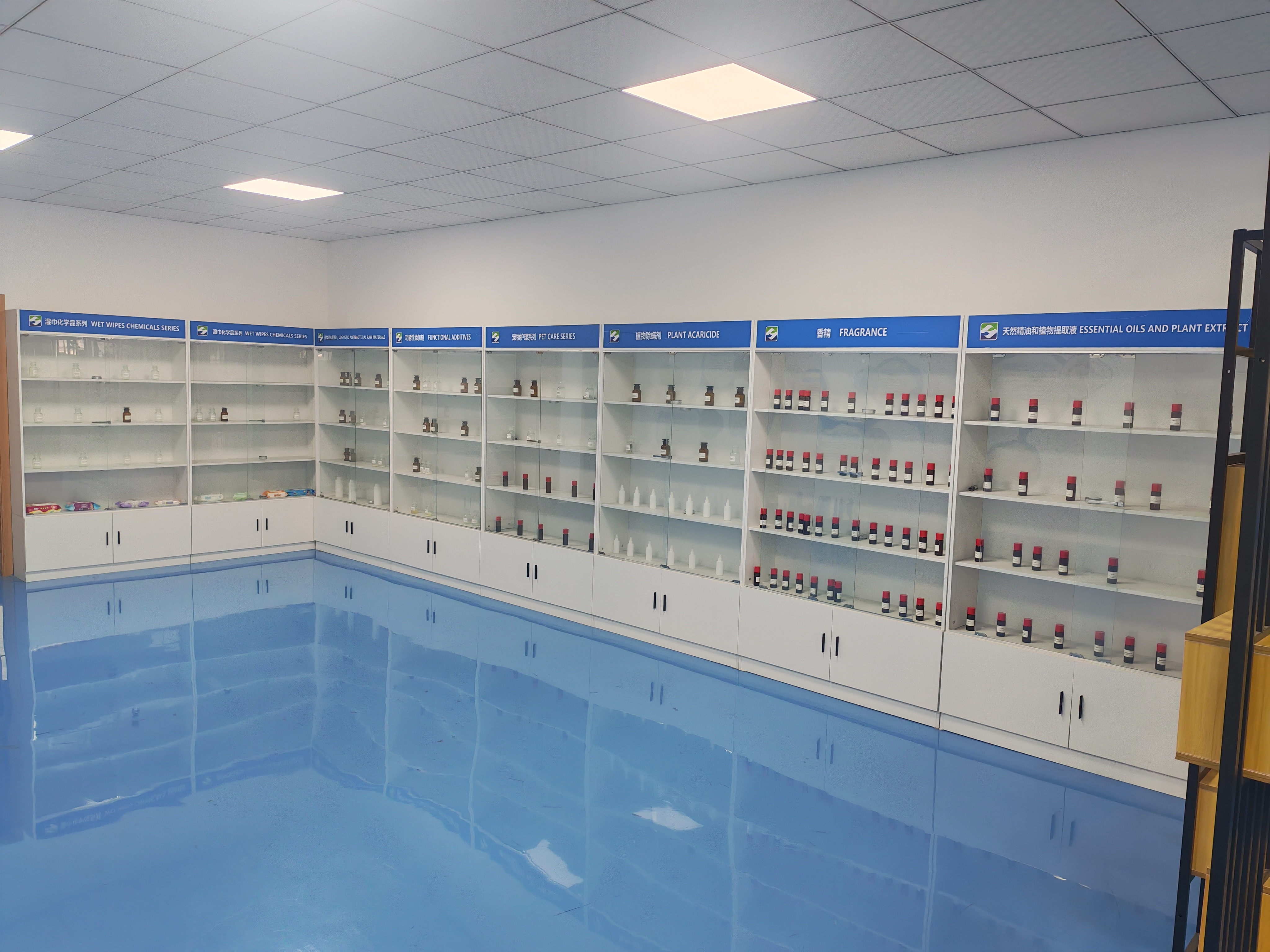
Formulation samples can be requested for line trials before volume production begins.
Next step
Xiamen Huaqiangda Biotechnology Co., Ltd. develops and produces wipes liquid formulations, antibacterial solutions, cosmetic functional liquids, deodorizing and mite-removal formulations and fragrance systems for global partners.
Request a formulation sample or quotation:
Website: www.wipesliquid.com
Contact: Kelvin — Email: wenkunhua@xmqfh.com — Tel / WhatsApp: +86 159-5929-1685
Address: No. 199-1, Dongren West Road, Jimei District, Xiamen City, Fujian Province, China
Have Questions or Need More Details?
Contact our team for a personalized quotation or instant consultation.
Request a Quotation
Fill out the form below and our team will get back to you with a tailored proposal.
WhatsApp Direct Chat
Prefer to chat in real-time? Message us on WhatsApp for instant assistance & quick answers.
- Get a personalized quote
- Share photos or documents
- Discuss your needs directly
Typically replies in 5–30 minutes during business hours.