
One Liquid, Three Industries: Choosing Wipes Liquid for Automotive, Healthcare & Home Cleaning
One Liquid, Three Industries: Choosing Wipes Liquid for Automotive, Healthcare & Home Cleaning
Wipes liquid should be chosen by scenario, not by price per kilogram. A formulation that keeps a car windshield clear is not the chemistry that belongs on a patient's skin, and neither is the right answer for a hotel bathroom floor. This application guide maps four production-ready formulation platforms from Xiamen Huaqiangda Biotechnology Co., Ltd. — HUA-CG, HUA-PC, HUA-AT and HUA-FC — to the three project environments buyers ask about most often: automotive care, healthcare, and home or commercial cleaning.
Xiamen Huaqiangda Biotechnology Co., Ltd., established in 2018, is a manufacturer of wet wipes liquid formulations based in Xiamen, Fujian, China. The company operates a modern independent facility that includes a 100,000-level clean production workshop together with standardized microbiology and fine chemical laboratories, and it develops antibacterial solutions, cosmetic functional liquids, deodorizing and mite-removal formulations, fragrance systems and customized daily chemical solutions. Its export ratio is 60%, with Central Asia, Southeast Asia and South America as its main markets.
At a glance, the scenario-to-formulation map used throughout this guide is:
- Automotive glass and mirrors:HUA-CG car glass anti-fog wipes liquid.
- Healthcare and nursing homes: HUA-PC patient care disposable wipes liquid.
- Hospitality and retail sanitation: HUA-AT antibacterial toilet wipes liquid.
- Floors and multi-surface degreasing: HUA-FC floor cleaning wipes liquid.
The Problem: Scenario Mismatch Is the Hidden Cost in Wipes Liquid Procurement
Most wipes liquid sourcing problems are created before the first order is placed. When a buyer treats “wipes liquid” as one commodity and compares only unit price, three specific types of mismatch follow.
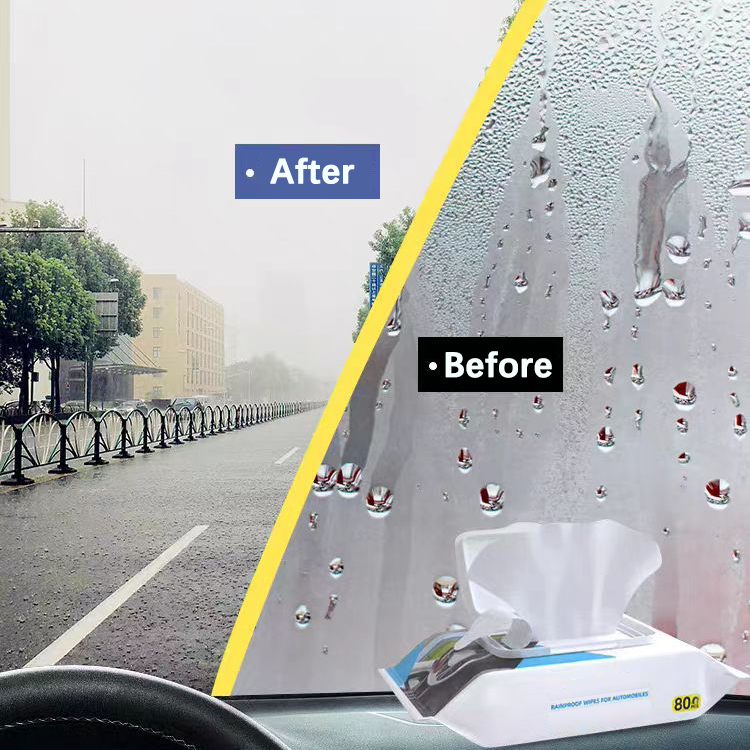
Chemical mismatch. Anti-fog chemistry and degreasing chemistry pull in different directions. A polymer anti-condensation compound is designed to leave a functional transparent layer that resists condensation on glass; a citrus-extract solvent is designed to attack and lift grease. Assigning one to the other's job produces either fogging complaints or surfaces that are still greasy after wiping.
Regulatory mismatch. Wet wipes intended for cleansing or moisturizing skin are regulated as cosmetics under EU Regulation (EC) No 1223/2009 and by the FDA in the United States. A liquid developed for toilet seats or warehouse floors is not automatically a compliant choice for patient skin, even when both are described as antibacterial.
Operational mismatch. Skin-contact projects and hard-surface projects tolerate very different pH values, alcohol content and fragrance levels. A pH 8.5 liquid used on ceramic tile is a different risk profile from the same pH band used daily on fragile or sensitive skin.
The practical rule that follows is simple: define the scenario first — the surface, the skin contact level, the frequency of use and the storage climate — and only then compare formulations, minimum order quantity and lead time.
Industry Background: Growing Demand, Stricter Rules and the Alcohol Question
The wet wipes category continues to expand. Mordor Intelligence, whose scope focuses on defined hygiene segments, values the global wet wipes market at USD 19.11 million in 2025 and estimates USD 22.85 million by 2031, a CAGR of 3.17%. The disinfectant segment is larger and grows faster: Dataintelo values the global disinfectant wipes market at USD 8.4 billion in 2025, projected to reach USD 14.7 billion by 2034 at a CAGR of 6.4%. Grand View Research reports that surface disinfectant wipes in North America held a 30.08% share in 2024, underlining sustained demand for antibacterial and medical-grade liquid systems.
Regulation has tightened alongside demand. Skin-cleansing and moisturizing wipes fall under EU Regulation (EC) No 1223/2009 and FDA oversight in the United States, and production of personal care wet wipes must follow ISO 22716 Good Manufacturing Practices with documented microbiological risk assessment. For a wipes liquid supplier, this means the chemistry supplied into a healthcare or baby care project has to survive both microbiological scrutiny and cosmetic regulatory review.
There is also a visible tension in the market that buyers should read correctly. Dataintelo reports that alcohol-based formulations held the largest product-type share of the disinfectant wipes market at 38.5% in 2025, while Mordor Intelligence projects natural and organic variants to expand at a 2.96% CAGR through 2031, driven by demand for alcohol-free and skin-friendly formulations. The two statements describe two different jobs: high-efficacy surface disinfection on one side, and alcohol-free, low-irritation skin contact on the other. A supplier used for both project families must be able to run those chemistries side by side without mixing them up.
Procurement implication: scenario fit is a regulatory question as much as a performance question. The classification of the final wipe — cosmetic, disinfectant or general cleaning — determines which pH band, preservative system and antibacterial target is acceptable.
The Solution: Four Formulations Mapped to Four Scenario Families
Rather than one universal liquid stretched across every project, scenario-matched supply uses a defined formulation platform per environment. The four below cover the automotive, healthcare and cleaning scenarios addressed in this guide.
1. Automotive Glass and Mirror Care — HUA-CG
HUA-CG is an automotive anti-fog wipes liquid built around a polymer anti-condensation compound, with purified water as the cleaning solvent and a corrosion inhibitor as stabiliser. Its declared performance targets are anti-fog duration of up to 24 hours, streak-free performance and a quick-drying formula, at a pH of 6.0–7.5, with a 24-month shelf life. It is intended for windshields, rearview mirrors and side windows, and is positioned for the automotive care industry, car maintenance services, auto accessories retail, supermarket retail and e-commerce retail.
For a buyer, the decision point here is the substrate. Glass surfaces reward a formula that dries clear and leaves no visible residue, which is why streak-free behaviour is listed as a specification rather than a marketing claim — it is the property that determines whether the end user sees a clean windshield or a smeared one in low sunlight.
2. Healthcare and Nursing Home Care — HUA-PC
HUA-PC is a patient care disposable wipes liquid for patient skin cleansing and hygiene care. It is alcohol-free and reports an antibacterial rate of ≥99%, at a pH of 5.5–7.0, with a fragrance-free or mild fresh scent profile and a 24-month shelf life. The formulation uses mild non-ionic surfactants, aloe vera extract as a soothing ingredient, glycerin as a moisturizing component, and a medical-grade preservative system. It is designed for sensitive skin and daily patient care, and it serves hospital care, nursing home care, home healthcare and medical supplies retail.
The relevant procurement questions in this scenario are not about cleaning power. They are about frequency of contact, absence of alcohol, and preservative system stability in a product that touches skin repeatedly. Nursing home operators typically evaluate this category on skin tolerance first, because the same liquid may be used several times a day on the same resident.

3. Hospitality and Retail Sanitation — HUA-AT
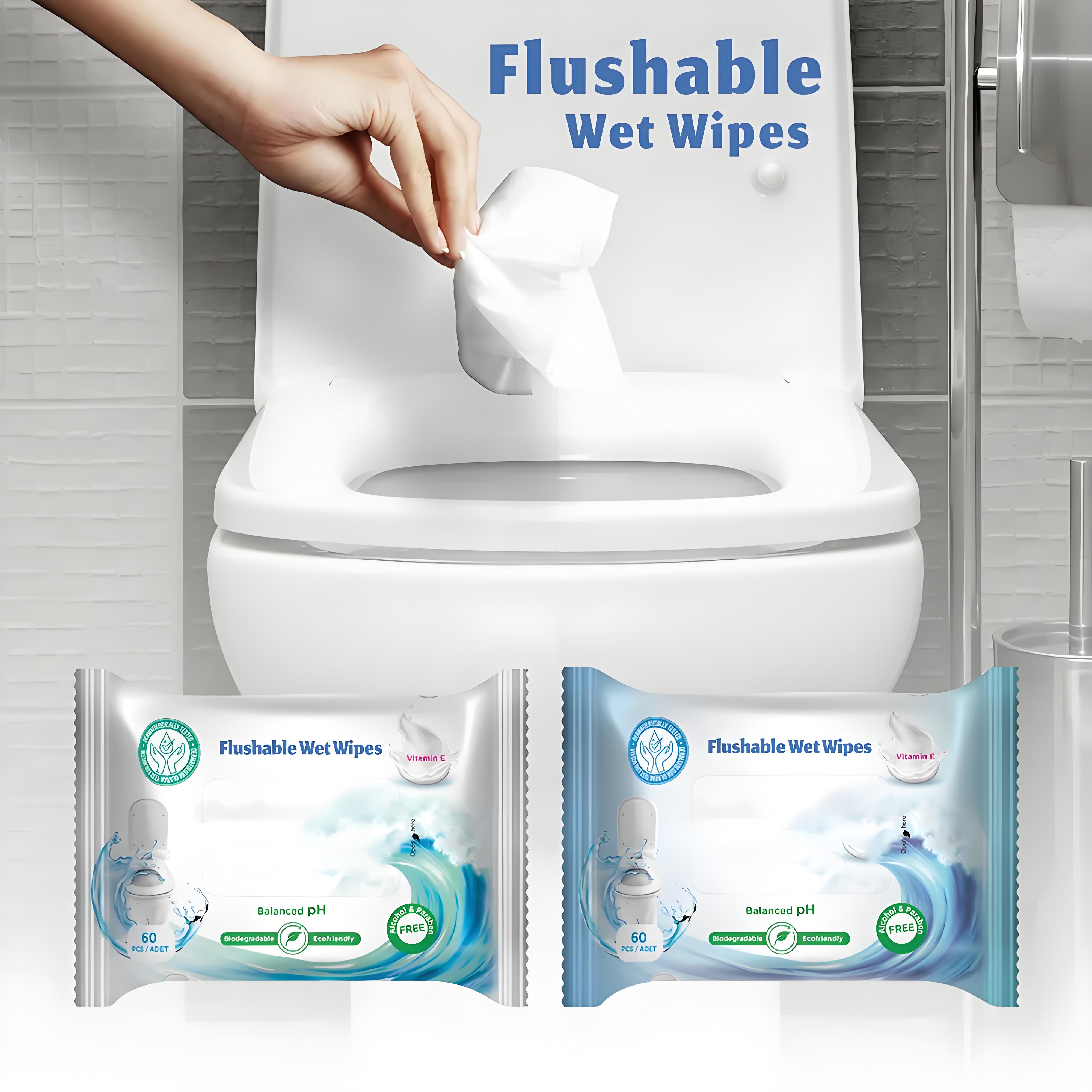
HUA-AT is an antibacterial toilet wipes liquid for antibacterial cleaning and odour removal, reporting an antibacterial rate of ≥99.9% at a pH of 6.5–8.5, with a fresh lemon scent and quick-drying performance. It targets toilet seats, bathroom countertops, ceramic surfaces and stainless steel. The ingredient structure combines surfactants, benzalkonium chloride as the antibacterial ingredient, a citrus extract deodorizing agent and purified water.
Hospitality and retail projects tend to be judged on turn-around speed and perceived freshness. A quick-drying liquid with an odour-removal component fits housekeeping rounds and public washroom cleaning, where surfaces must return to service immediately rather than stay wet. The same properties make the platform relevant to commercial cleaning services and to supermarket or e-commerce retail shelves.
4. Multi-Surface Floor Care — HUA-FC
HUA-FC is a floor cleaning wipes liquid for floor cleaning and stain removal with multi-surface degreasing. It reports an antibacterial rate of ≥99% at a pH of 6.5–8.5, with a fresh lemon scent, quick-drying performance and a 24-month shelf life. It is designed for tile, wood floor, laminate floor and marble. The formulation pairs non-ionic surfactants with a citrus extract solvent as the degreasing agent, benzalkonium chloride as the antibacterial ingredient and purified water as the solvent. Its applicable industries include household cleaning, commercial cleaning services, hospitality, supermarket retail and e-commerce retail.

Step-by-Step: How to Match Wipes Liquid to a Project
The sequence below converts a project brief into a specification. It also produces the exact information a supplier needs to quote accurately instead of guessing.
- Classify the contact surface. Glass, ceramic, stainless steel, sealed wood, laminate and marble accept different surfactants and pH values. The four formulations above cover glass and mirrors (HUA-CG), toilet and bathroom surfaces (HUA-AT), and tile, wood, laminate and marble flooring (HUA-FC).
- Classify the regulatory category. Decide whether the finished wipe is a cosmetic (skin cleansing or moisturizing), a disinfecting product, or a general cleaning product. This decision is driven by EU Regulation (EC) No 1223/2009 and FDA rules for skin-contact wipes, and by ISO 22716 GMP where personal care wet wipes are produced.
- Set measurable performance targets. Anti-fog duration up to 24 hours for HUA-CG, antibacterial rate ≥99.9% for HUA-AT, ≥99% for HUA-PC and HUA-FC. Targets written as numbers can be verified; targets written as adjectives cannot.
- Fix the chemical constraints. Lock the pH band, confirm whether alcohol-free is mandatory, and decide the fragrance position. Skin-contact projects such as HUA-PC use a pH of 5.5–7.0 and an alcohol-free, fragrance-free or mild scent profile; hard-surface platforms sit higher, between 6.0 and 8.5.
- Validate storage and line compatibility. Confirm the liquid behaves under the project's working conditions, including high humidity, frequent daily use, direct skin application and wide temperature range storage from −20°C to 40°C, and that the formulation is compatible with high-speed wipes production lines.
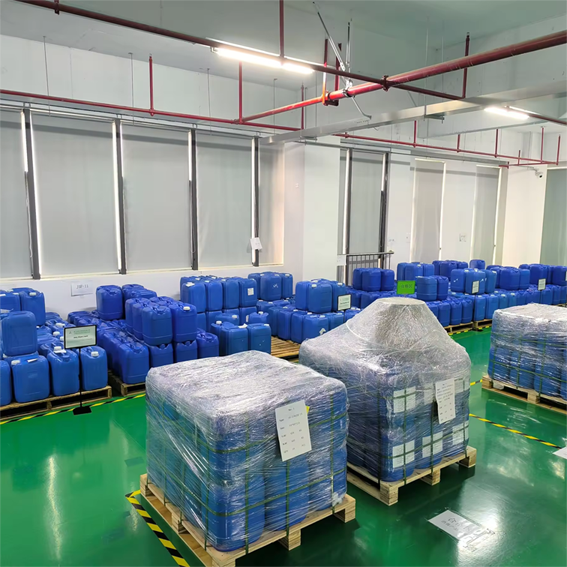
- Confirm packaging, quantity and lead time. Packaging formats include 25KG and 1-ton IBC tank options with customizable packaging design, the minimum order quantity starts at 25KG, and standard lead time runs 3–15 days.
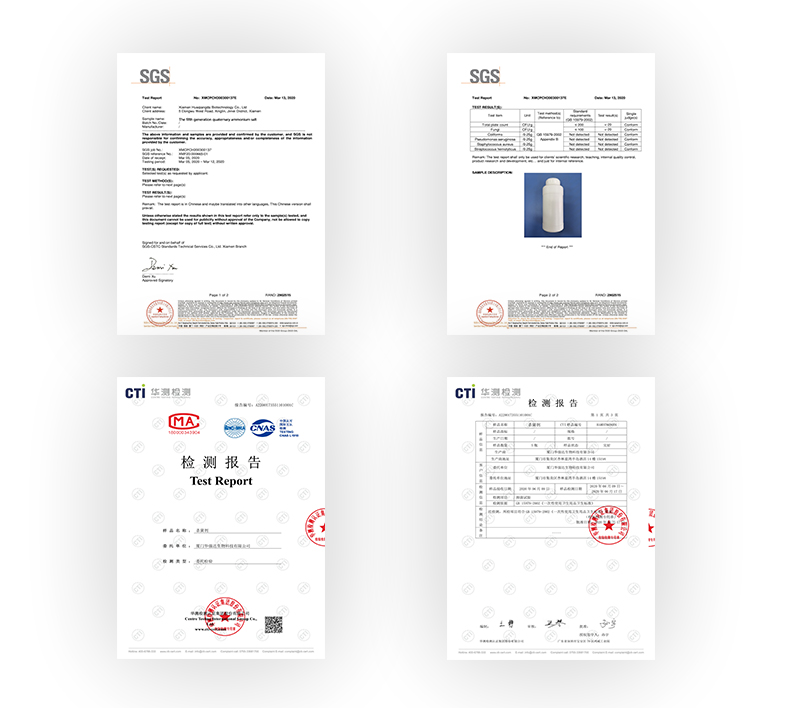
Quality gates behind the specification: 100% raw material inspection, microbiological testing, stability testing and third-party inspection (SGS) are applied as part of production control, which is why stability and preservative system data should be requested as documents, not accepted as verbal assurance.
Use Cases: What Scenario-Matched Supply Looks Like in Practice
Scenario fit is easier to judge from delivery history than from a specification sheet. Two long-running export projects illustrate how multi-line wet wipes manufacturers use these liquid platforms.
In Uzbekistan, a wet wipes manufacturer project reached a scale of 120 tons of wipes produced over a two-year supply relationship, covering baby wipes production, antibacterial wipes manufacturing, household cleaning wipes and personal care wipes. In Indonesia, a comparable project ran 80 tons over two years with the same application mix. The reported outcomes in both cases were stable long-term antibacterial performance, increased production efficiency and 100% positive reviews from the clients involved. The technical highlights recorded for these projects were a gentle formula, stable liquid performance, customizable ingredients, low irritation, and compatibility with high-speed wipes production lines.
Those highlights map directly onto the scenario logic in this guide. “Gentle formula” and “low irritation” are the same properties that make HUA-PC viable in nursing homes. “Stable liquid performance” is what allows a manufacturer to keep HUA-AT at a ≥99.9% antibacterial rate across production batches. “Compatibility with high-speed lines” is the requirement that keeps a windshield anti-fog liquid from behaving differently once it is dosed onto a converting line.
The operating conditions recorded for these wet wipes manufacturing environments are indoor and outdoor use, high humidity, frequent daily use, direct skin application, sensitive skin application, and wide temperature range storage from −20°C to 40°C — with alcohol-free formulation, low irritation, customizable fragrance, preservative system stability and ≥99.9% antibacterial performance identified as the project-level special requirements.
Comparison Table: Wipes Liquid by Scenario
The table below compares the four formulation platforms on the parameters that decide scenario fit. Entries reflect declared product specifications; parameters not specified for a platform are marked accordingly rather than estimated.
| Project scenario | Formulation (model) | pH range | Antibacterial rate | Primary function | Suitable surfaces | Fragrance | Shelf life |
|---|---|---|---|---|---|---|---|
| Automotive glass and mirrors | Car glass anti-fog wipes liquid (HUA-CG) | 6.0–7.5 | Not specified for this platform | Anti-fog and glass cleaning; anti-fog duration up to 24 hours, streak-free, quick-drying | Windshield, rearview mirror, side windows | Not specified | 24 months |
| Healthcare, nursing homes, home healthcare | Patient care disposable wipes liquid (HUA-PC) | 5.5–7.0 | ≥99% | Patient skin cleansing and hygiene care; alcohol-free, suitable for sensitive skin | Skin contact application (patient care) | Fragrance-free or mild fresh scent | 24 months |
| Hospitality and retail sanitation | Antibacterial toilet wipes liquid (HUA-AT) | 6.5–8.5 | ≥99.9% | Antibacterial cleaning and odour removal; quick-drying | Toilet seat, bathroom countertop, ceramic surface, stainless steel | Fresh lemon scent | 24 months |
| Home and commercial floor care | Floor cleaning wipes liquid (HUA-FC) | 6.5–8.5 | ≥99% | Floor cleaning, stain removal and multi-surface degreasing; quick-drying | Tile, wood floor, laminate floor, marble | Fresh lemon scent | 24 months |
Read the table by column, not by row. If the project involves skin contact, the pH 5.5–7.0 alcohol-free column is the constraint that matters. If the project involves a bathroom or toilet surface, the ≥99.9% target is the constraint. If the project involves glass on a vehicle, anti-fog duration and streak-free behaviour outweigh antibacterial specifications entirely.
FAQ: Wipes Liquid Scenario Selection
Are Huaqiangda wipes liquids compliant with EU and FDA requirements?
Wet wipes intended for cleansing or moisturizing skin are regulated as cosmetics under EU Regulation (EC) No 1223/2009 and by the FDA in the United States, and personal care wet wipes production must follow ISO 22716 Good Manufacturing Practices with microbiological risk assessment. Project formulations used in skin-contact applications are specified with preservative system stability, an alcohol-free formula, low irritation and a ≥99.9% antibacterial performance target to meet EU and FDA aligned requirements, supported by regulatory document assistance.
Can the wipes liquid formulation be customized for a specific project?
Yes. OEM, ODM, private label and custom formula development are supported, with customization available across formula, fragrance, antibacterial ingredients, moisturizing ingredients, viscosity, pH value, packaging design and logo printing. Production capacity is 3,000 tons per month, which allows a customized platform to be sustained at volume rather than treated as a one-off batch.
What determines the cost position of a wipes liquid project?
Cost is driven by scope rather than by a single list price. The main variables are the number of customized elements — fragrance, antibacterial system, moisturizing ingredients, viscosity and pH tuning, packaging design and logo printing — the packaging format selected, such as 25KG or a 1-ton IBC tank, and the validation workload attached to the project, which includes 100% raw material inspection, microbiological testing, stability testing and third-party SGS inspection. The minimum order quantity starts at 25KG, so a project can begin at a scale that matches its validation stage.
How do we validate a formulation before committing to bulk production?
Validation typically begins with a sample request against a written project brief that states the target surface or skin contact, the required pH band, whether alcohol-free is mandatory, the antibacterial target and the intended packaging format. Because the company maintains a sample display capability and provides technical formula support and production guidance, buyers can compare a candidate liquid against their own line conditions — including high-speed wipes production line compatibility and storage from −20°C to 40°C — before a bulk order is placed.
What is the typical lead time and production capacity?
Standard lead time is 3–15 days, with a monthly production capacity of 3,000 tons. Production runs on an automatic batching system with continuous mixing and fully automated filling, with 24/7 production support. Longer-term export experience in Central Asia, the Middle East, Southeast Asia, North America, South America and Africa supports repeat scheduling. To move a project forward, send your scenario details, target specification and packaging preference to Kelvin at wenkunhua@xmqfh.com or via WhatsApp on +86 159-5929-1685, or download the product brochure for reference.
Next Step: Send Your Scenario, Get a Matched Formulation
Tell us three things and the matching work becomes straightforward: what surface or skin contact the wipe must handle, whether alcohol-free is mandatory, and which antibacterial target applies. From there, the appropriate platform — HUA-CG, HUA-PC, HUA-AT or HUA-FC — can be confirmed together with packaging, sample and lead time.
- Website: www.wipesliquid.com
- Product brochure (download): Huaqiangda wipes liquid brochure
- Contact: Kelvin — wenkunhua@xmqfh.com — +86 159-5929-1685 — WhatsApp
- Address: No. 199-1, Dongren West Road, Jimei District, Xiamen City, Fujian Province, China
Conclusion
Choosing wipes liquid for automotive, healthcare and cleaning projects comes down to matching chemistry to the environment the wipe will meet. Automotive glass requires an anti-fog platform such as HUA-CG, with up to 24 hours of anti-fog duration, streak-free performance and a pH of 6.0–7.5. Patient care requires an alcohol-free, skin-tolerant platform such as HUA-PC at pH 5.5–7.0 with a ≥99% antibacterial rate. Hospitality and retail sanitation requires the higher ≥99.9% antibacterial target and odour-removal profile of HUA-AT. Multi-surface floor degreasing requires the citrus-solvent chemistry of HUA-FC across tile, wood, laminate and marble.
Define the scenario, lock the regulatory category, write the performance targets as numbers, then confirm packaging, quantity and lead time. That sequence prevents the three mismatches described earlier — chemical, regulatory and operational — and it gives a supplier enough information to quote a formulation that will survive the first production run and the repeat orders after it.
Have Questions or Need More Details?
Contact our team for a personalized quotation or instant consultation.
Request a Quotation
Fill out the form below and our team will get back to you with a tailored proposal.
WhatsApp Direct Chat
Prefer to chat in real-time? Message us on WhatsApp for instant assistance & quick answers.
- Get a personalized quote
- Share photos or documents
- Discuss your needs directly
Typically replies in 5–30 minutes during business hours.