
How to Evaluate Wipes Liquid Supplier Capacity & Lead Time
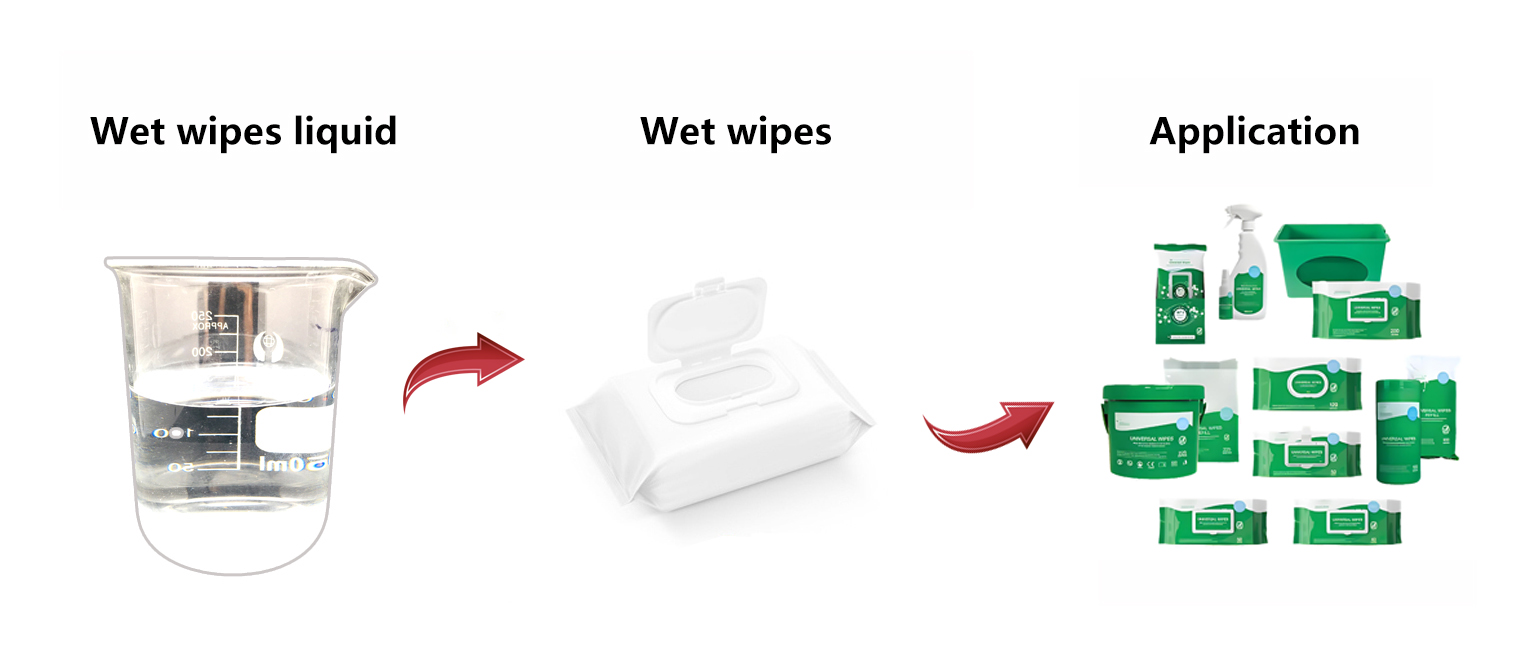
How to Evaluate Wipes Liquid Supplier Capacity & Lead Time for 2026 Procurement
As a procurement professional sourcing wipes liquid, one of the most pressing concerns is whether your supplier can consistently deliver the required volume within a predictable timeframe. Production stoppages due to insufficient capacity or delayed shipments can disrupt your entire supply chain, damage brand reputation, and erode margins. This guide provides a structured framework to assess a wipes liquid manufacturer’s production capability and delivery reliability, using real-world data and proven evaluation criteria.
The Core Problem: Why Capacity & Lead Time Matter
When scaling a private label wipes brand or supplying a regional distributor, the gap between demand and supply is a common pain point. A supplier with limited monthly output or poor production planning can force you to seek urgent fill-in orders, increase logistics costs, and lose market timing. Conversely, a supplier with transparent capacity information and a track record of on-time delivery becomes a strategic partner.
Key questions every buyer should ask:
- What is the maximum monthly tonnage the factory can produce for baby wipes liquid, antibacterial wipes liquid, or pet wipes liquid?
- How long does a typical OEM or private label wipes liquid order take from raw material procurement to finished goods?
- Does the supplier have buffer stock or backup production lines for urgent orders?
- How is lead time affected by custom formulations, special fragrances, or unique packaging?
Industry Background: The 2026 Wipes Liquid Market
The global wipes market continues to expand, driven by hygiene awareness and convenience trends. According to industry estimates, the wet wipes sector is projected to grow at a CAGR of 6–8% through 2030. This growth places pressure on liquid suppliers to scale production without compromising quality. In 2026, buyers face longer lead times from general chemical firms that lack dedicated wipes liquid R&D and manufacturing. Specialized suppliers like Xiamen Huaqiangda Biotechnology Co., Ltd., with a 2,000 m² facility and a 100,000-level clean workshop, offer more reliable capacity planning.
Understanding a supplier’s production capacity before signing a contract is no longer optional—it is a prerequisite for supply chain resilience.
How to Assess Wipes Liquid Supplier Production Capacity
Evaluation must go beyond a simple claim of “large capacity.” A complete assessment includes the following dimensions:
1. Monthly Production Volume & Equipment
Request the supplier’s average monthly output in tons. For instance, Xiamen Huaqiangda reports an annual output of 2,000 tons, equivalent to approximately 166 tons per month, with a monthly capacity of up to 3,000 tons when fully scaled. This indicates ability to handle both steady replenishment and large spike orders. Also verify the number of mixing tanks, automated filling lines, and RO water purification systems.
| Capacity Metric | Xiamen Huaqiangda Example |
|---|---|
| Monthly Capacity (Max) | 3,000 tons |
| Annual Output | 2,000 tons (stable) |
| Production Mode | OEM, ODM, Private Label, Custom Formula |
2. Raw Material & Supply Chain Resilience
Capacity is not just about equipment; it depends on raw material availability. Ask about major ingredients: surfactants, preservatives (e.g., benzalkonium chloride), purified water, and functional additives like aloe vera or chamomile extract. A supplier that maintains strategic stock of key chemicals (e.g., quaternary ammonium compounds for disinfecting wipes liquid) can maintain production even during market shortages.
3. Quality Control & Stability
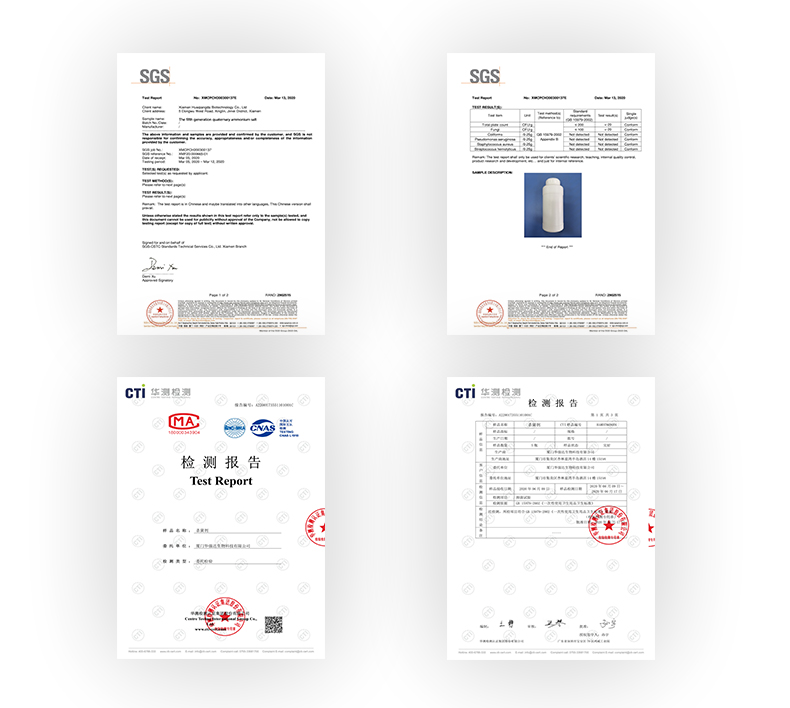
High capacity means nothing if quality drops at scale. Evaluate the quality control system: raw material inspection, in-process microbiological testing, stability tests, and batch retention. Look for ISO 9001:2015 certification (e.g., certificate number SZ56425Q10129R0S) and third-party testing like SGS. A robust QC system ensures consistent formulation from batch to batch, which directly impacts your product’s shelf life and regulatory compliance.
Step-by-Step Process to Verify Lead Time Reliability
Lead time for wipes liquid typically ranges from 3 to 15 days for standard formulations, but can extend for custom projects. Follow these steps to ensure your supplier can meet your time window:
- Request a detailed production schedule – Ask for typical lead time for each stage: formula confirmation, raw material procurement, production, QC, and shipping.
- Check MOQ flexibility – A supplier with a low MOQ (e.g., 25 kg) often has faster turnaround for trial orders. Xiamen Huaqiangda offers MOQ of 25 kg, ideal for testing new formulations.
- Evaluate packaging and customization speed – Custom fragrances, pH adjustments, or logo printing can add 2–5 days. Ensure the supplier has pre-approved design templates.
- Inquire about buffer stock – Does the supplier keep a safety stock of popular formulations like baby wipes liquid or alcohol-free wipes liquid? This can cut lead time by up to 50%.
- Review past delivery performance – Request case studies or references. For example, a client in Indonesia ordered 80 tons over two years with consistent on-time delivery (see case study below).
Real-World Case: 80 Ton Bulk Order from Indonesia
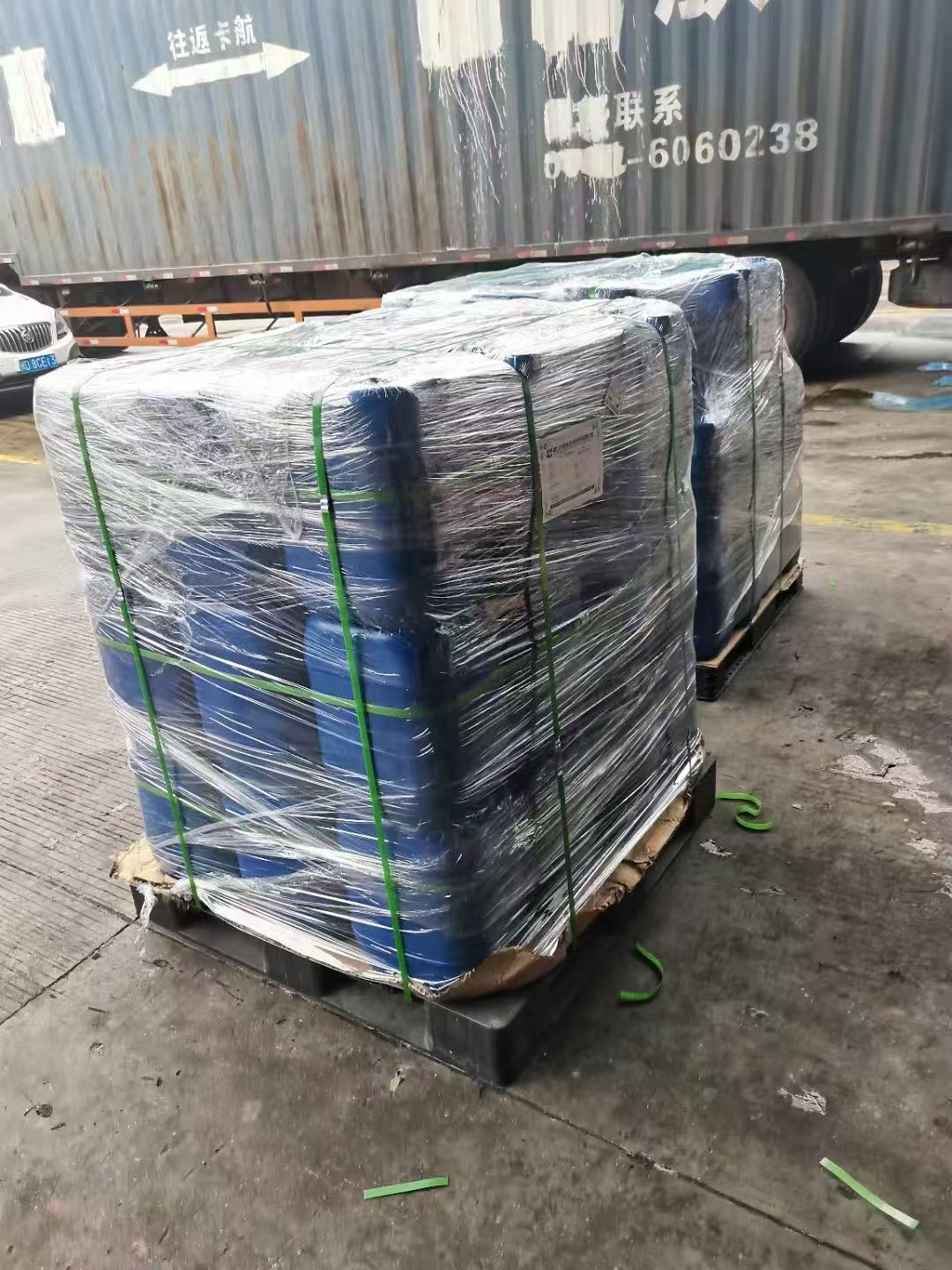
A wet wipes manufacturer in Indonesia partnered with Xiamen Huaqiangda for a 2-year project totaling 80 tons of wipes liquid. The application included baby wipes, antibacterial wipes, and household cleaning wipes. The client required a gentle, stable formula compatible with high-speed production lines. Results:
- Stable long-term antibacterial performance (≥99.9%)
- Increased production efficiency by 20%
- Zero quality complaints over 24 months
- 100% on-time delivery
This case demonstrates that a supplier with a monthly capacity of 3,000 tons and dedicated 5-person R&D team can easily sustain a recurring 5–6 ton per month order while maintaining flexibility.
Common Buyer Concerns & Solutions
Concern: What if demand suddenly doubles during peak season?
Choose a supplier with scalable capacity. Huaqiangda’s 2000 m² facility can operate 24/7 and add shift labor. Their monthly capacity buffer allows handling 150% of normal demand.
Concern: How do I avoid payment risk when committing to large volumes?
Payment terms for long-term cooperation include L/C at sight or 50% T/T in advance and 50% T/T before shipment. For standard orders, the flexible terms reduce financial exposure.
Concern: Can the supplier handle multiple SKU formulations simultaneously?
Yes, if the supplier has separate mixing tanks and QC protocols. Huaqiangda provides custom formula development for antibacterial wipes liquid, hypoallergenic wipes liquid, moisturizing wipes liquid, and more, with batch traceability.
Frequently Asked Questions
What is the typical MOQ for wipes liquid?
How long does it take to produce a private label wipes liquid order?
Can I trust the supplier’s capacity claim without visiting the factory?
What delivery methods are available for wipes liquid?
Conclusion: Build a Resilient Supply Chain with the Right Partner
Evaluating a wipes liquid supplier’s production capacity and lead time requires a systematic approach—from verifying monthly tonnage and equipment to analyzing QC procedures and past client performance. By applying the framework outlined above, you can mitigate supply risks and secure a partner that grows with your business.
For a deeper look at Xiamen Huaqiangda Biotechnology Co., Ltd.’s capabilities, download the company brochure below:
Download Company Brochure (PDF)
Contact our sales team for a customized capacity assessment:
Email: wenkunhua@xmqfh.com
WhatsApp: +86 159-5929-1685
Have Questions or Need More Details?
Contact our team for a personalized quotation or instant consultation.
Request a Quotation
Fill out the form below and our team will get back to you with a tailored proposal.
WhatsApp Direct Chat
Prefer to chat in real-time? Message us on WhatsApp for instant assistance & quick answers.
- Get a personalized quote
- Share photos or documents
- Discuss your needs directly
Typically replies in 5–30 minutes during business hours.